42 new australian food labels
Food Labelling & Allergen Guide - Australian Food and Grocery Council The Food Industry Guide to Allergen Management and Labelling offers guidance in managing allergens. It's relevant to those involved in the supply, handling, production, import and sale of foods. It was first development by the AFGC in 2007 but an updated edition was jointly published by the AFGC and Allergen Bureau in April 2021. New to the ... Country of origin food labelling | business.gov.au Labelling requirements under the Information Standard will vary depending on whether the food: is a priority or non-priority food was grown, produced, made or packed in Australia is offered for sale loose or in a package. In Australia, the country of origin information must be accurate and factually correct.
Labelling - Food Standards Labelling. Food labels can provide a wide range of information to help consumers make food choices. Food labels also help to protect public health and safety by displaying information such as use by dates, ingredients, certain allergens, instructions for storage and preparation, and advisory and warning statements. FSANZ sets standards for what ...

New australian food labels
Food Law Update: Australia - Changes to allergen labelling requirements ... Lupin labelling. Allergen labelling for lupin is now mandatory in Australia and New Zealand. Food producers should ensure that all packaging for food products sold in Australia and New Zealand, including for products currently on the shelf, contains the mandatory declaration for lupin. Food producers should be aware of the review, and be prepared to make changes to their allergen declarations to ensure compliance with any new requirements arising from the review. Iconic Australian Food | 17 Australian Foods You Should Try 11. BBQ's. When you think of Australia you think of surfing, nice weather, kangaroo's and the barbecue. "Throw another shrimp on the barbie" is a quote often said even though Australians call them prawns and not shrimps! In fact, many Aussies dislike this phrase and claim that it's just another Australian stereotype. Food and beverage product news in Australia and beyond | New Le ... - Nine News bites: The latest food and beverage products you need to know about. View Gallery. Stay up to date on all the latest food industry news and exciting new product launches in Australia and overseas. By 9Honey | 3:03pm Jul 13, 2022.
New australian food labels. Country of origin labelling - Food Standards The Australian Government introduced a country of origin food labelling system under Australian Consumer Law on 1 July 2016. Country of origin labelling requirements for food is in the Country of Origin Food Labelling Information Standard 2016, under the Competition and Consumer Act 2010. These requirements became mandatory on 1 July 2018. Australia - Labeling/Marking Requirements The joint Australia New Zealand Food Standards Code requires all packaged food to be labeled with nutritional information on how much fat, protein, energy, carbohydrates, and salt is in the product. Labels must also show the percentage of key ingredients and all the main ingredients that may cause allergies. Country of origin food labelling resources | business.gov.au Country of origin statement. A country of origin statement is a text explanation of where the food product came from. Products that can't use or do not need to use the three- or two-component standard mark use a country or origin statement. Imported priority foods must, as a minimum, carry a country of origin statement in a clearly defined ... Changes to allergen labelling | NSW Food Authority The changes include: using consistent names that are simple, plain English and in bold font. displaying declarations in a specific format and location on food labels. Food businesses have 3 years to transition to the new requirements, plus an additional 2 years for food that has been correctly labelled before 25 February 2024. During the 3 year transition, allergen declarations must follow the old or the new system.
Nutrition information panels - Food Standards Nutrition information panels. Nutrition information panels (NIP) on food labels provide information on the average quantity of energy in kilojoules or in kilojoules and kilocalories and these nutrients: sodium - a component of salt. A NIP will include information about other nutrients if a claim is made. For example, if a food has a 'good ... Labelling - Food Standards FSANZ sets food labelling standards in the Food Standards Code. These standards are enforced by the Australian states and territories and, in New Zealand, by the Ministry for Primary Industries (MPI). The Food Standards Code includes the general labelling and information requirements (Chapter 1 of the Code) that are relevant to all foods, and sets out which requirements apply in different situations (for example food for retail sale, food for catering purposes, or an intra-company transfer). New Australian Food Labels And How To Read Them There are five new labels in total. The following three are identified with a kangaroo symbol: GROWN IN AUSTRALIA - You're good to go with this option as this label means your food is 100% grown in Australia. PRODUCT OF AUSTRALIA - Think canned or bagged goods where the ingredients are 100% Australian and they've been processed here too. Food Labelling | Foodstream A draft (or current) product label is assessed, and a report is prepared outlining any changes required for the product label to comply with the Food Standards Code of Australia and New Zealand (FSANZ), the Trade Measurement Regulations 2009 and of course the new Australian Country of Origin Food Labelling Information Standard 2016 .
Food labelling - Department of Health Food labels provide a wide range of information to help consumers make food choices. Food Standards Australia New Zealand sets food labelling requirements in the Food Standards Code (external site) . These Labelling Standards are enforced by local government Environmental Health Officers. The Food Standards Code includes: New Australian food labels will list local food content but not foreign ... NEW food labels will reveal only the "Australian-ness" of groceries - meaning the consumers who bought contaminated berries earlier this year would not have known they were from China. The Abbott Government yesterday revealed that from next April 1 most groceries will have to include a label to explain the percentage of Australian ingredients. Food labelling FAQs | ACCC - Australian Competition and Consumer Commission On 1 July 2016, a new country of origin food labelling system commenced under the Australian Consumer Law (ACL). Businesses will have two years to sell current stock and change their labels to comply with the new law before it becomes mandatory on 1 July 2018. Labelling poster - how to read food labels - Food Standards To help identify a food, food labels must show: the name of the food; the name and business address in Australia or New Zealand of the supplier of the food; the lot identification of the food. The name or description of the food must reflect its true nature (e.g. strawberry yoghurt must contain strawberries).
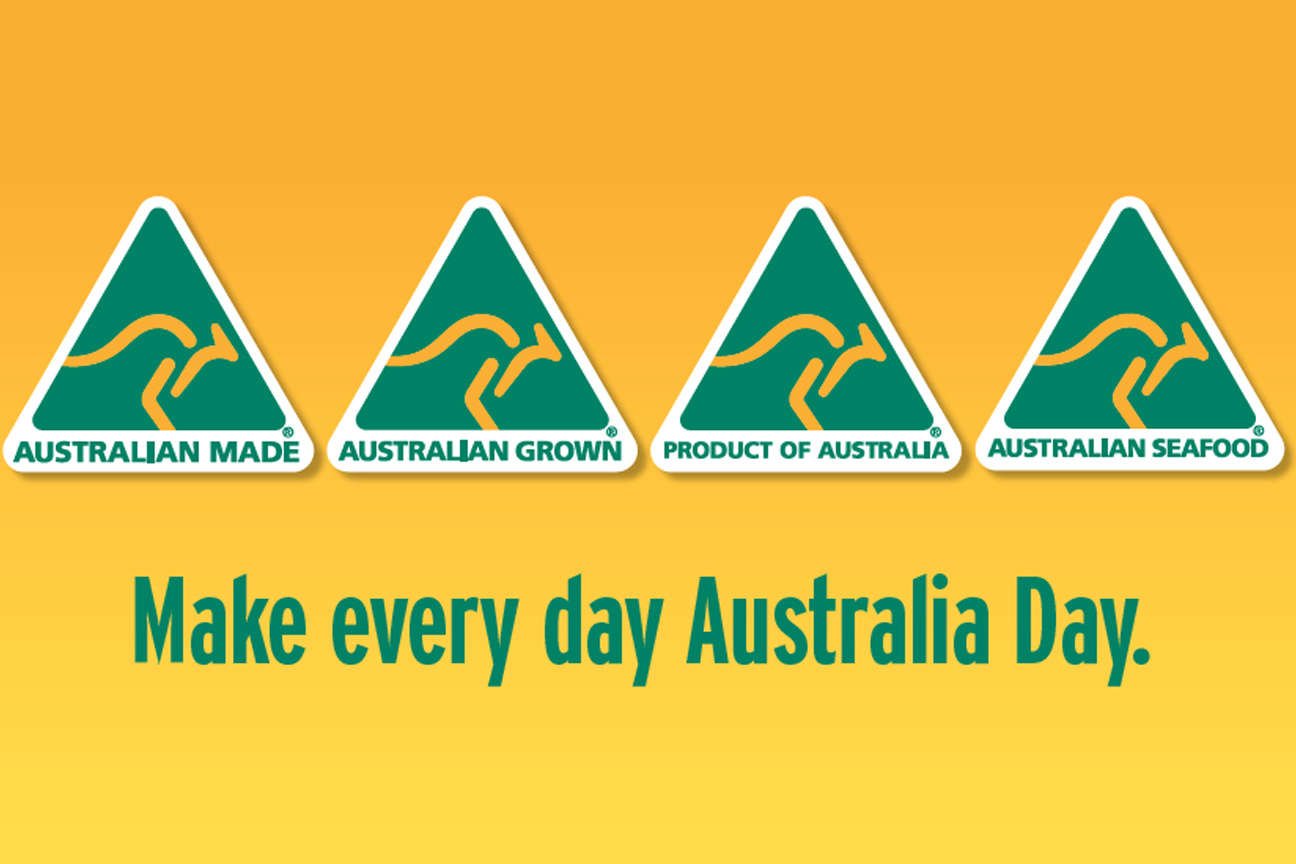
Make every day Australia Day - The Australian Made Campaign
Food labelling - Health.vic All packaged foods sold in Australia must comply with the labelling requirements of the Australia New Zealand Food Standards Code, which applies in Victoria through the Food Act 1984. Food labels must carry essential information, so that consumers are informed of the nature and properties of foods before they buy. Food businesses must ensure that they do not mislead or deceive consumers with any claims made on food labels. Food importers must also comply with Australian labelling laws.

Zifam Pinnacle - The Australian Made Campaign
Food labelling | NSW Food Authority Food labelling. All food sold in Australia must comply with the Australia New Zealand Food Standards Code for labelling. Sometimes there are other requirements too - for example, total weight and measure statements are regulated by the National Measurement Institute. Everything said about a food on the label is also subject to Australian Consumer Law, which prohibits false, misleading or deceptive representations.
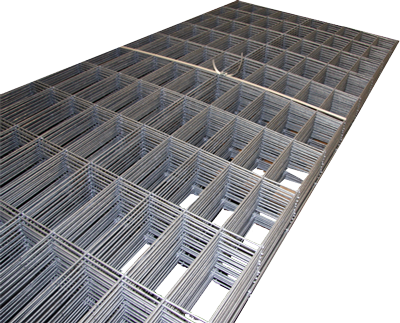
Barra Sheep + Yard Mesh - The Australian Made Campaign
Labelling laws | NSW Food Authority Labelling laws. Labelling requirements for food sold in Australia and New Zealand are set by the Food Standards Code. Provisions for nutrition labelling on menus at larger fast and snack food outlets are also contained in the Food Act 2003 (NSW) and in Food Regulation 2015. The NSW Food Authority is responsible for administering and enforcing these provisions in NSW.

healthy foundations: September 2012
Country of origin food labels | Department of Industry, Science and ... Australian food labels must easily convey where food is grown, produced, made or packed. This helps consumers make informed decisions about the food they buy. Requirements and tools for business. If you sell food in retail stores in Australia, you will need to consider if your products need country of origin food labels.
Your New Puppy Author Cindy Moore, cindy@k9web.com Copyright 1992-99. Table of Contents ...
How to understand food labels | Eat For Health The Health Star Rating (HSR) system is a front-of-pack labelling scheme developed for use in Australia and New Zealand to 'provide convenient, relevant and readily understood nutrition information and/or guidance on food packs to assist consumers to make informed food purchases and healthier eating choices'.
Post a Comment for "42 new australian food labels"